
Kagoshima: Living with the Volcano
Deep Dive · Kagoshima · 7 min
How Kagoshima built a culture around one of the world's most active volcanoes: Satsuma history, black pork, shochu, and volcanic hot springs.
Koku Travel · April 8, 2026
9 places in this guide
Sakurajima sits four kilometers across the bay from downtown Kagoshima. It erupts dozens of times a year. Ash drifts over the city. Residents carry folding umbrellas for it. And somehow, this relationship between city and volcano defines everything: the food, the history, the hot springs, and the particular Kagoshima stubbornness that once nearly overthrew the Meiji government.
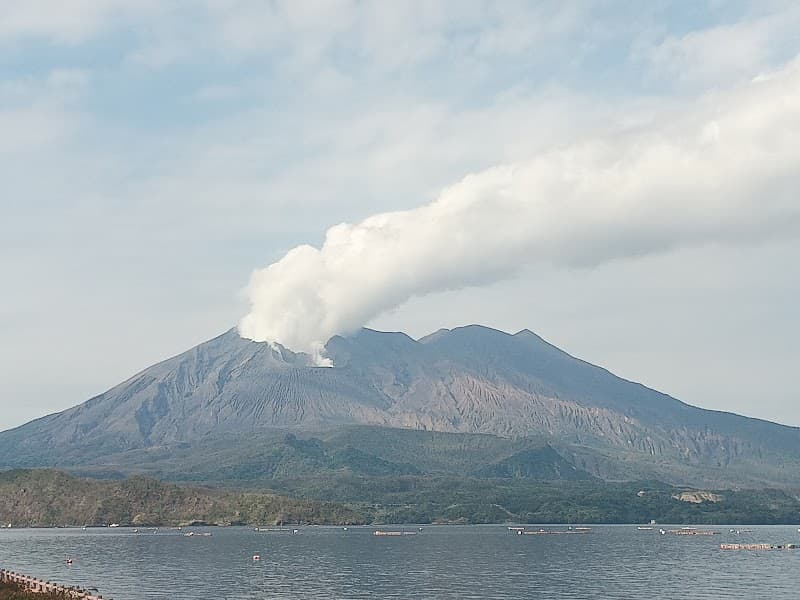
Sakurajima
Kagoshima · Kyushu
Highly active volcano located only four kilometers from the bustling city of Kagoshima.
View details→
The Volcano
Take the 15-minute ferry from the Kagoshima waterfront to Sakurajima. The eruption plume is usually visible from the deck. On the island, the Sakurajima Yogan Nagisa Park has a 100-meter-long foot bath heated by volcanic water. Soak your feet while watching the volcano steam above and ferries cross Kinko Bay. The water is hot, around 50 degrees near the source. Move toward the far end for comfort.
The Kurokami Buried Torii, partially swallowed by a 1914 eruption, stands as a quiet monument to the volcano's reach. Only the top third remains above ground.
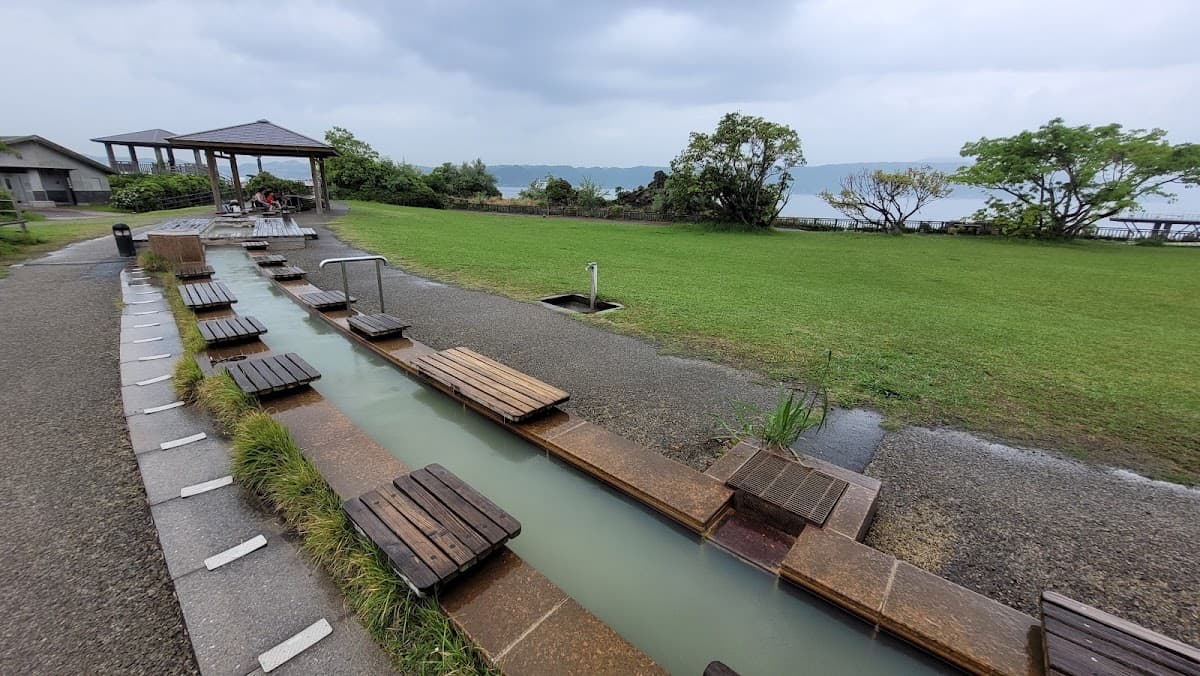
Sakurajima Yogan Nagisa Park Foot Bath
Kagoshima · Kyushu
Japan's longest free foot bath, 100 meters of volcanic hot water along Sakurajima's lava shore.
View details→
Satsuma History
Kagoshima was the seat of the Shimazu clan for seven centuries, and the Satsuma domain played a decisive role in the Meiji Restoration that ended feudal Japan. Sengan-en, the clan's 17th-century garden, uses Sakurajima as borrowed scenery. The volcano frames every view. Inside the grounds, the Shoko Shuseikan Museum displays the industrial equipment the Shimazu imported to modernize Japan before the rest of the country was ready.
Shiroyama Observatory, the 107-meter hill in central Kagoshima, was the last stand of Saigo Takamori in the 1877 Satsuma Rebellion. Come at dawn. The sunrise behind Sakurajima silhouettes the volcano in orange and pink.
Tsurumaru Castle Ruins preserve the Goromon gate and moat walls. The massive stone walls still show bullet marks from the rebellion. Reimeikan Museum, built on the castle site, traces the Satsuma domain's outsized influence on modern Japan. The third-floor Meiji Restoration gallery has free English audio guides.
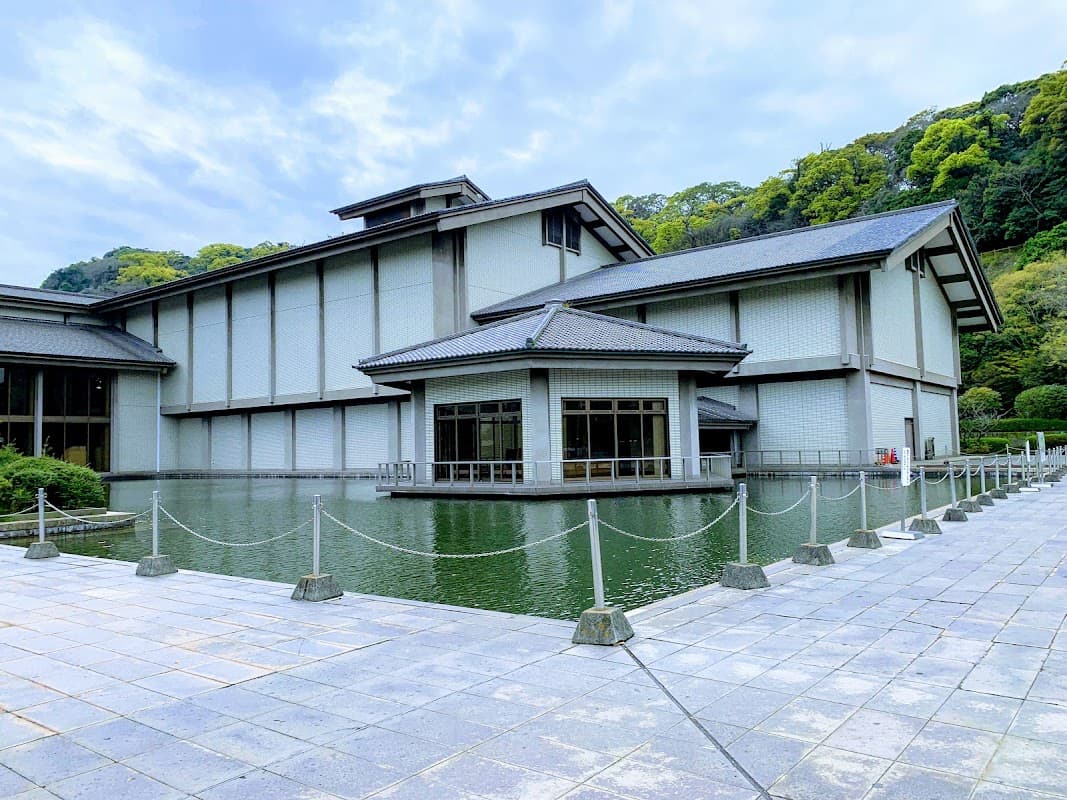
Reimeikan Museum
Kagoshima · Kyushu
Prefectural history museum covering Satsuma samurai and Meiji Restoration heritage.
View details→
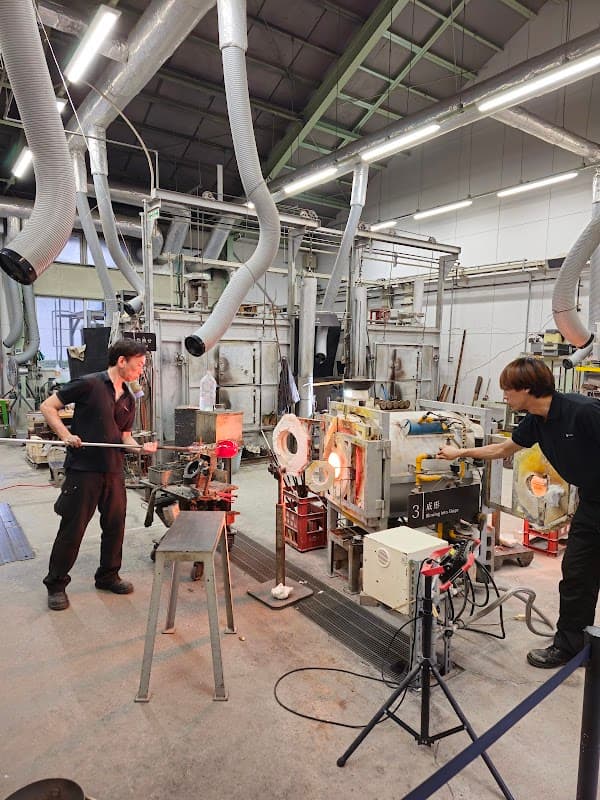
Sengan-en area
Kagoshima · Kyushu
View details→
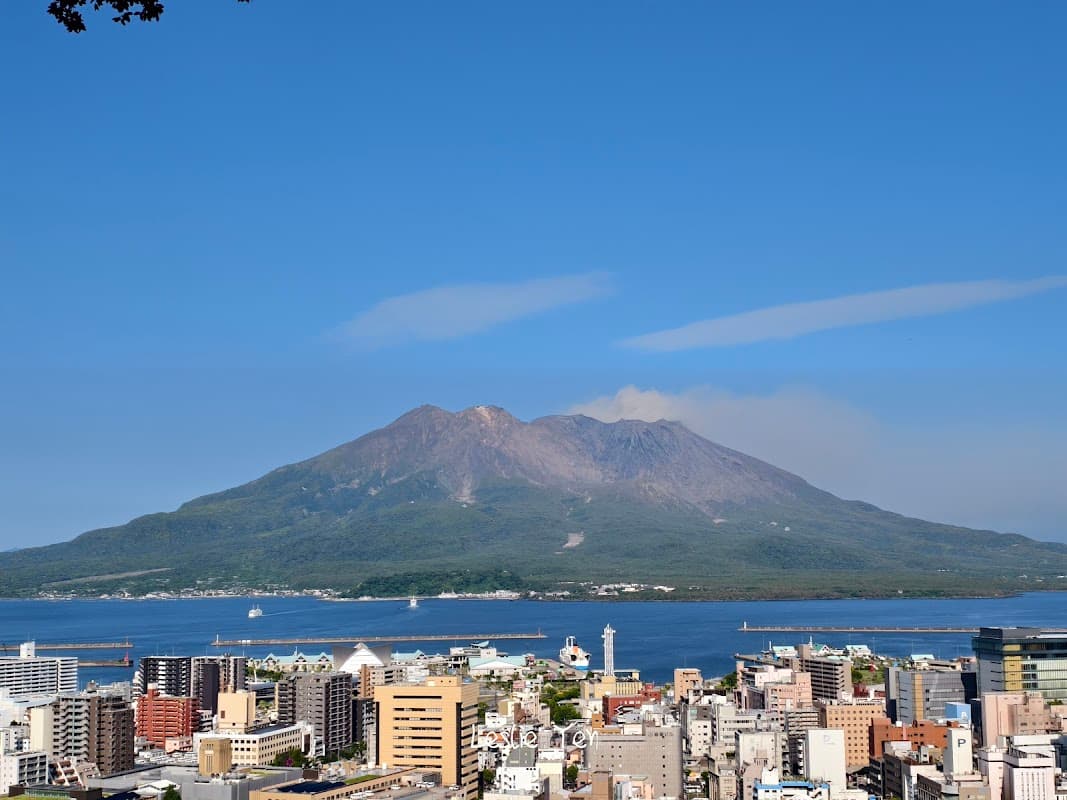
Shiroyama Observatory
Kagoshima · Kyushu
A forested hilltop with the iconic view of Sakurajima volcano rising above Kagoshima Bay, especially at dawn.
View details→
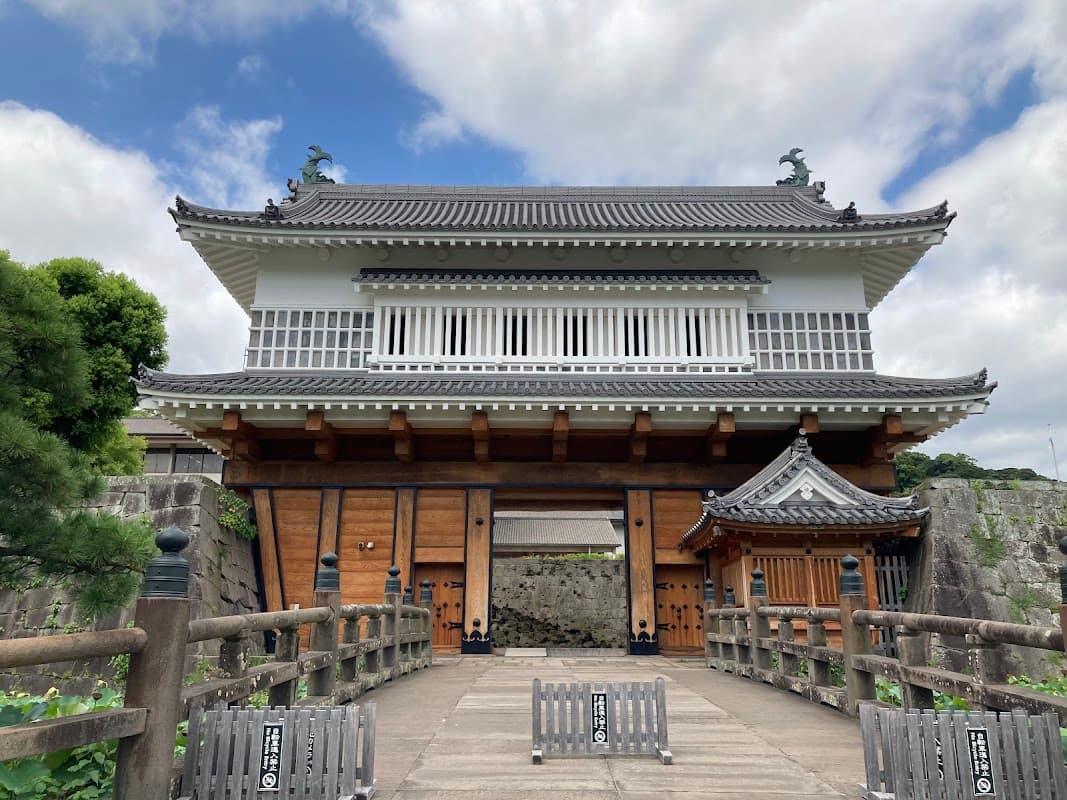
Tsurumaru Castle Ruins
Kagoshima · Kyushu
Restored gate and moat of the Satsuma domain's feudal castle.
View details→
Kurobuta and Shochu
Kagoshima's black pork (kurobuta) is the local pride. Tonkatsu, fried in fresh breadcrumbs until the coating shatters, is the most popular preparation. Kurokatsutei near Chuo Station has perfected it. The pork's natural sweetness comes through clean and direct.
Kuma So Tei serves authentic Satsuma cuisine: kibinago sashimi, pork bone stew, and dishes that predate modern Kagoshima. Wasan Meizanbori, a cozy izakaya in the nostalgic Meizanbori alley, pairs regional dishes with local shochu. Kagoshima produces more shochu than any other prefecture. The sweet potato varieties are the ones to try.
Tenmonkan and the Market
Tenmonkan is the entertainment district, a covered arcade where locals and visitors converge. The surrounding streets run deep with izakaya, ramen shops, and the standing bars where shochu flows cheaply.
Kagoshima Fish Market operates as a working wholesale facility most mornings. Guided tours take small groups through the auction floor. Ichiba Shokudo, the bustling cafeteria inside, serves the day's freshest catches in generous bowls.
Kagoshima Fish Market
Kagoshima · Kyushu
Bustling fish market with tuna auctions and market tours rivaling Tokyo's Tsukiji in variety and freshness.
View details→
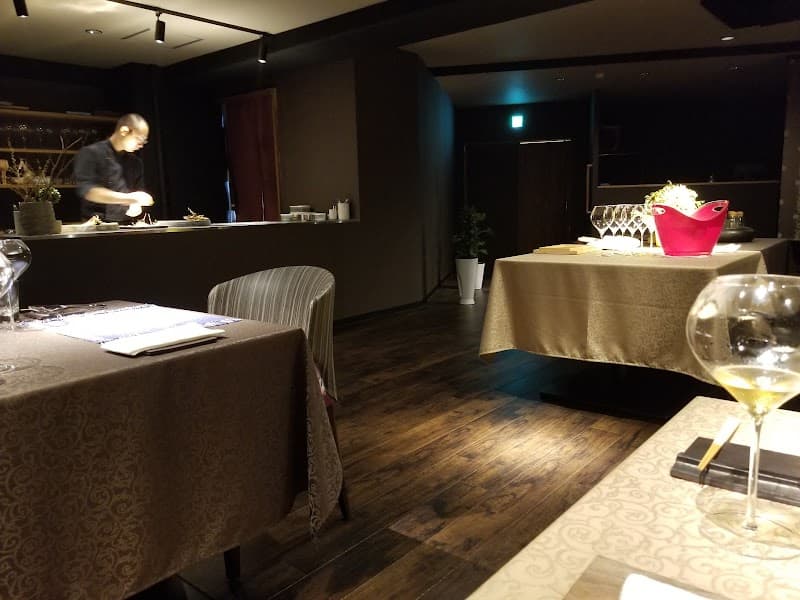
Tenmonkan
Kagoshima · Kyushu
View details→
The Potters of Miyama
Chin Jukan Kiln in the village of Miyama has been operated by descendants of Korean potters since 1598. The 420-year legacy continues as artisans create Satsuma-ware ceramics in the distinctive styles brought from the Korean peninsula. The village is 30 minutes from central Kagoshima by bus, and the kilns are open to visitors.
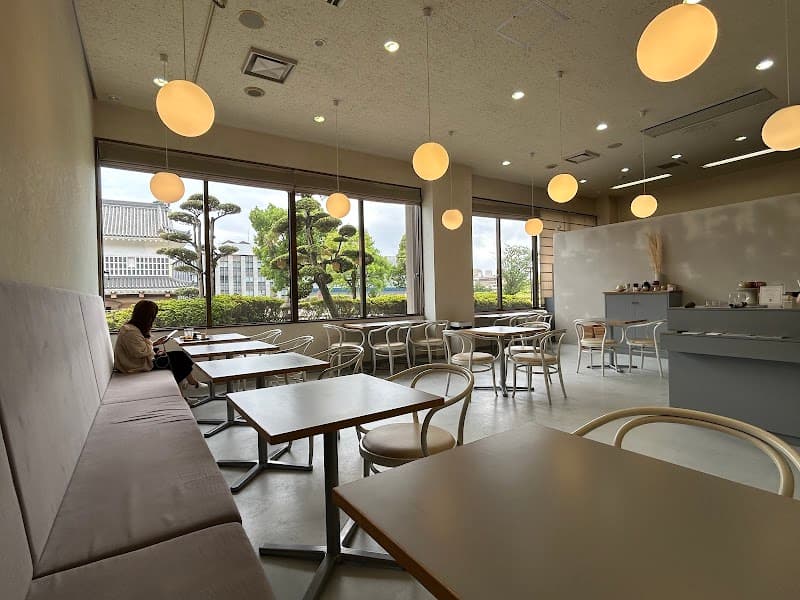
Chin Jukan Pottery Cafe
Kagoshima · Kyushu
Gallery cafe by Satsuma-ware potters, serving tea and sweets alongside Chin Jukan ceramics in central Kagoshima.
View details→
Getting There
Kagoshima-Chuo Station is 4 hours from Osaka and 1 hour 15 minutes from Fukuoka on the Kyushu Shinkansen. Direct flights from Tokyo (1h50). The Sakurajima ferry runs every 15 minutes from the waterfront terminal, 24 hours a day.
Featured in this guide
Places to Visit
Turn this guide into a trip
We'll prioritize these 9 places when building your itinerary.