
Nagano's Sacred Mountains
Deep Dive · Nagano · 7 min
Three essential Nagano experiences: the pilgrimage to Zenkoji, the mystical cedar trail at Togakushi, and the snow monkeys of Jigokudani.
Koku Travel · April 8, 2026
3 places in this guide
Nagano Prefecture occupies the mountainous center of Honshu, and its defining experiences tend to involve altitude: ancient temples on valley floors, shrines reached through forests of 400-year-old cedars, and a valley where wild macaques soak in volcanic hot springs while snow falls on their heads.
Zenkoji: The Temple That Belongs to No One
Zenkoji was founded in the 7th century around a statue of Amida Buddha that, according to tradition, is the first Buddhist image to arrive in Japan. The statue has been sealed away for centuries. No one has seen it. But the temple's open-door philosophy remains: Zenkoji has never been affiliated with any single Buddhist sect, and it welcomes everyone.
The approach from Nagano Station climbs gently through a shopping street that has served pilgrims for generations. Miso shops, oyaki dumpling vendors, and incense sellers line the way. The temple itself is one of the largest wooden structures in eastern Japan.
Walk through the pitch-black passage beneath the main altar. You are feeling for a metal key on the wall. Finding it is said to guarantee salvation. The darkness is total. Trust your hands.
Togakushi: The Cedar Avenue
The 2-kilometer trail to Togakushi Okusha (inner shrine) passes through one of Japan's most atmospheric sacred landscapes. After a torii gate and a thatched-roof gate, the path enters a tunnel of 400-year-old cedar trees, their trunks wide enough that two people cannot link arms around them.
Visit on a misty morning when fog threads through the cedar avenue. The atmosphere becomes something you feel in your chest. The shrine at the end is modest. The walk is the pilgrimage.
Togakushi is also famous for soba, buckwheat noodles served on round bamboo trays. The cold mountain water and local buckwheat produce noodles with a clean, nutty bite. Eat a plate before or after the walk. Ideally both.
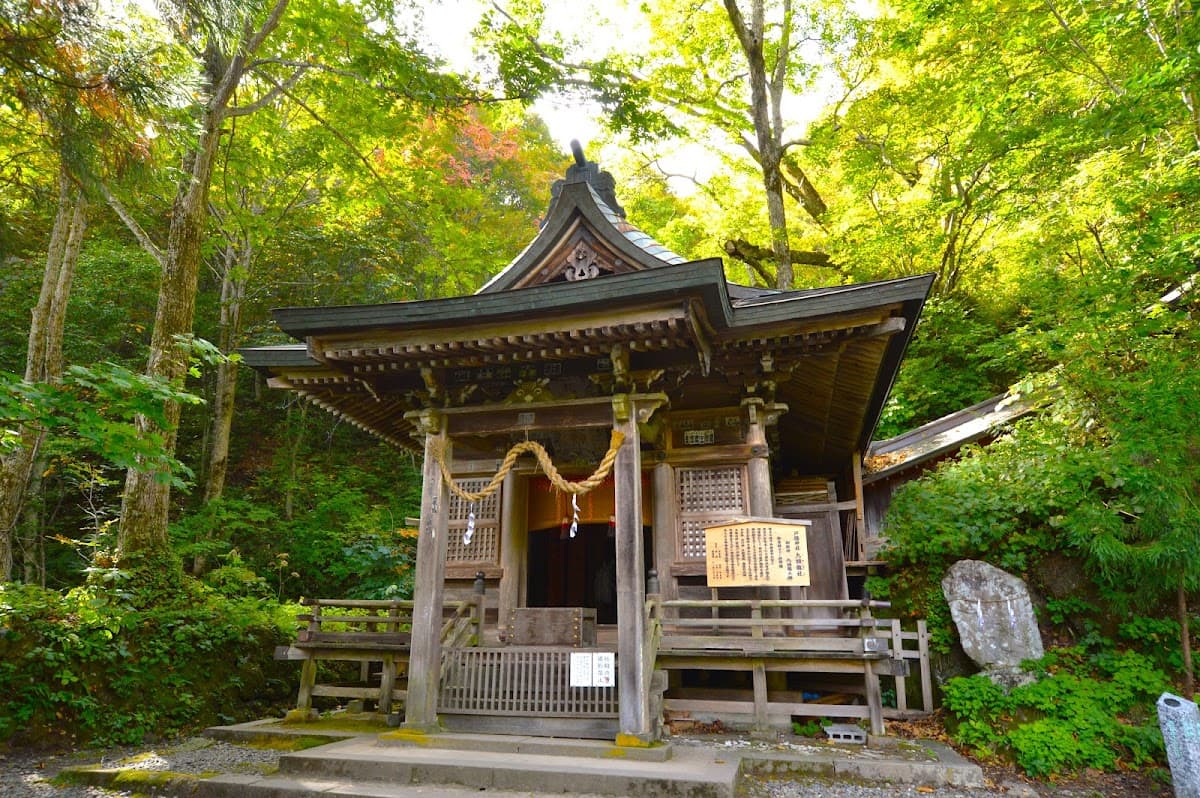
Togakushi Shrine Okusha & Cedar Avenue
Nagano · Chubu
A 2km forest approach through 400-year-old cedar giants leading to a sacred shrine at the base of dramatic cliff walls.
View details→
Jigokudani: The Snow Monkeys
In the Yokoyu River valley, Japanese macaques discovered that the volcanic hot springs are warm. Now they soak in them year-round, but the sight is most striking in winter when snow covers their fur and steam rises around them.
The 1.6-kilometer forest trail from the parking lot to the monkey park takes about 25 minutes. In winter, the path can be icy. Wear shoes with grip. The monkeys are wild but habituated to humans. Keep a respectful distance. Do not make eye contact. Do not eat near them.

Jigokudani/Snow Monkey area
Nagano · Chubu
View details→
Oyaki and Soba
Nagano's two essential foods are both products of mountain living. Oyaki are buckwheat dumplings stuffed with nozawana pickled greens, kabocha squash, or eggplant with miso, then griddled and steamed. Eat them from street vendors near Zenkoji.
Cold soba on a bamboo tray, dipped in tsuyu with wasabi and green onion, is the lunch that ties everything together. The buckwheat grows in the same mountain soil you have been walking through all day.
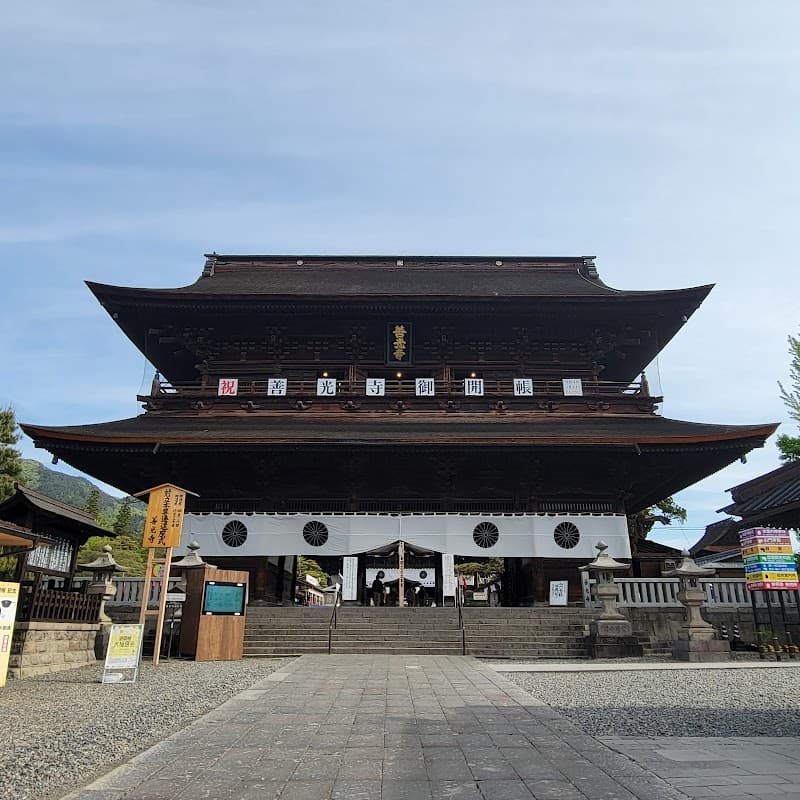
Zenko-ji area
Nagano · Chubu
View details→
Getting There
Nagano Station is 80 minutes from Tokyo on the Hokuriku Shinkansen. Togakushi is 60 minutes by bus from Nagano Station. Jigokudani is 40 minutes by bus from Yudanaka Station (Nagano Dentetsu line from Nagano, 45 minutes).
Featured in this guide
Places to Visit
Turn this guide into a trip
We'll prioritize these 3 places when building your itinerary.