
Hidden Gems in Kanazawa
Top Picks · kanazawa · 5 min
Discover why locals call Kanazawa 'Little Kyoto' with our guide to this beautifully preserved city's hidden corners.
Koku Travel · February 2, 2026
12 places in this guide
Kanazawa escaped World War II bombing, leaving its historic districts remarkably intact. Often called "Little Kyoto," this castle town offers traditional culture without the crowds. Here are the hidden gems that make Kanazawa special.
Nishi Chaya District
While tourists flock to Higashi Chaya (the eastern geisha district), locals prefer Nishi Chaya. This smaller, quieter district has the same beautiful wooden teahouses but a more intimate atmosphere. Stop into a tea house for matcha and wagashi sweets.
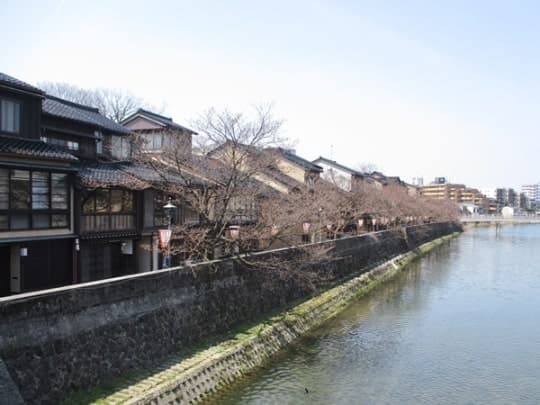
Kazuemachi Tea District
Kanazawa · Chubu
Kanazawa's most intimate geisha district, a narrow riverside lane of wooden teahouses almost untouched by tourism.
View details→
Ninja-dera (Myoryu-ji Temple)
This temple looks ordinary from outside but contains hidden rooms, secret passages, and trap doors designed to protect the local lord during the Edo period. Tours (book in advance, Japanese only but fascinating) reveal its ingenious defenses.
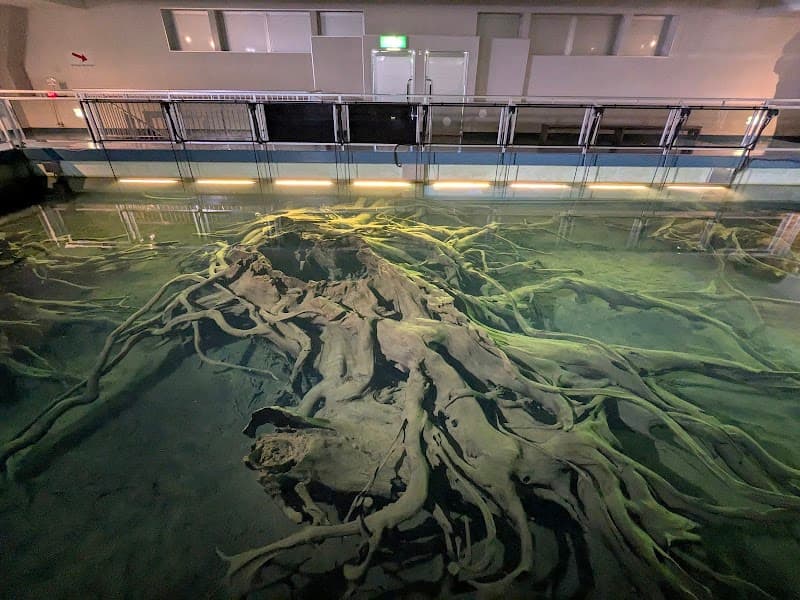
Buried Forest Museum
Uozu · Chubu
Submerged 2,000-year-old forest stumps displayed in underground pools alongside mirage exhibits.
View details→
Omicho Market's Back Alleys
The main aisles of Omicho Market bustle with tourists seeking crab and sushi. But venture into the back alleys to find local specialty shops, tiny standing-only sushi counters, and food stalls where fishmongers eat.
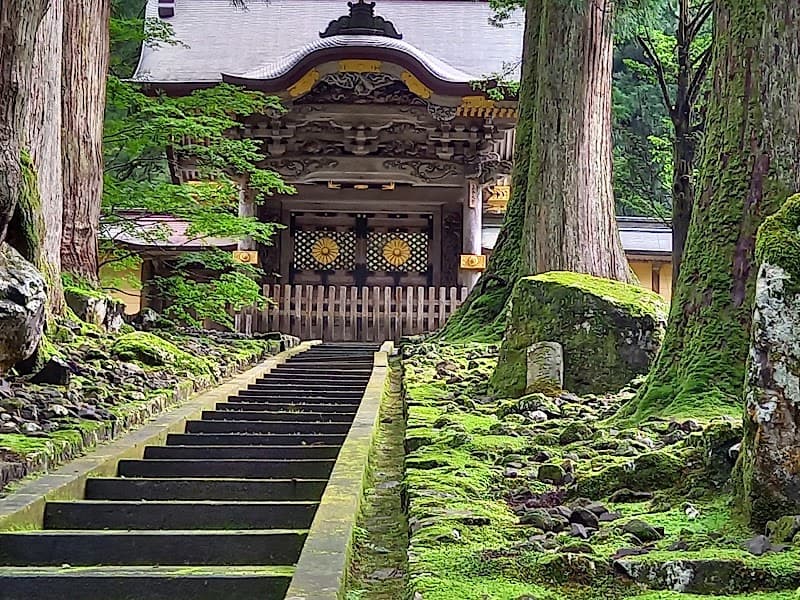
Eiheiji Temple
Eiheiji · Chubu
Active Zen monastery in a mountain forest setting where monks still train today.
View details→
Sai River Cafes
The banks of the Sai River, particularly near the Sakura-bashi bridge, have become home to hip cafes and craft shops in renovated traditional buildings. It's a glimpse of how young Kanazawa residents are breathing new life into old spaces.

Eiheiji Temple Meditation
Eiheiji · Chubu
Soto Zen head temple offering immersive zazen retreats in a 13th-century mountain monastery.
View details→
Teramachi Temple District
This neighborhood of 70+ temples was deliberately placed here to serve as a line of defense for the castle. Today it's a quiet maze of temple grounds, traditional cemeteries, and peaceful lanes—perfect for contemplative walking.
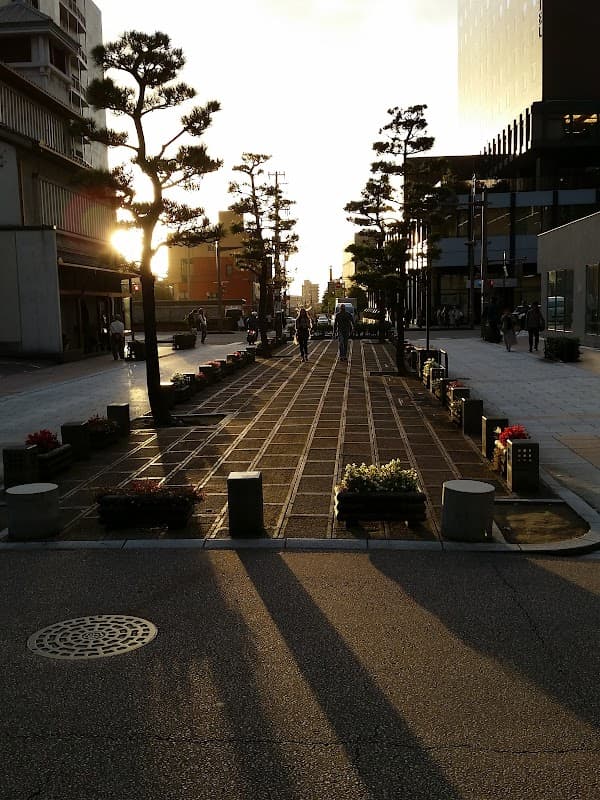
Teramachi Temple Walk
Kanazawa · Chubu
A quiet hillside quarter of 70 temples originally built as a defensive line, now one of Kanazawa's most serene walks.
View details→
Artisan Workshops
Kanazawa is famous for gold leaf (producing 99% of Japan's total), Kutani pottery, and Kaga yuzen silk dyeing. Small workshops offer chances to watch masters at work and try techniques yourself—a more authentic craft experience than Kyoto's often touristy options.
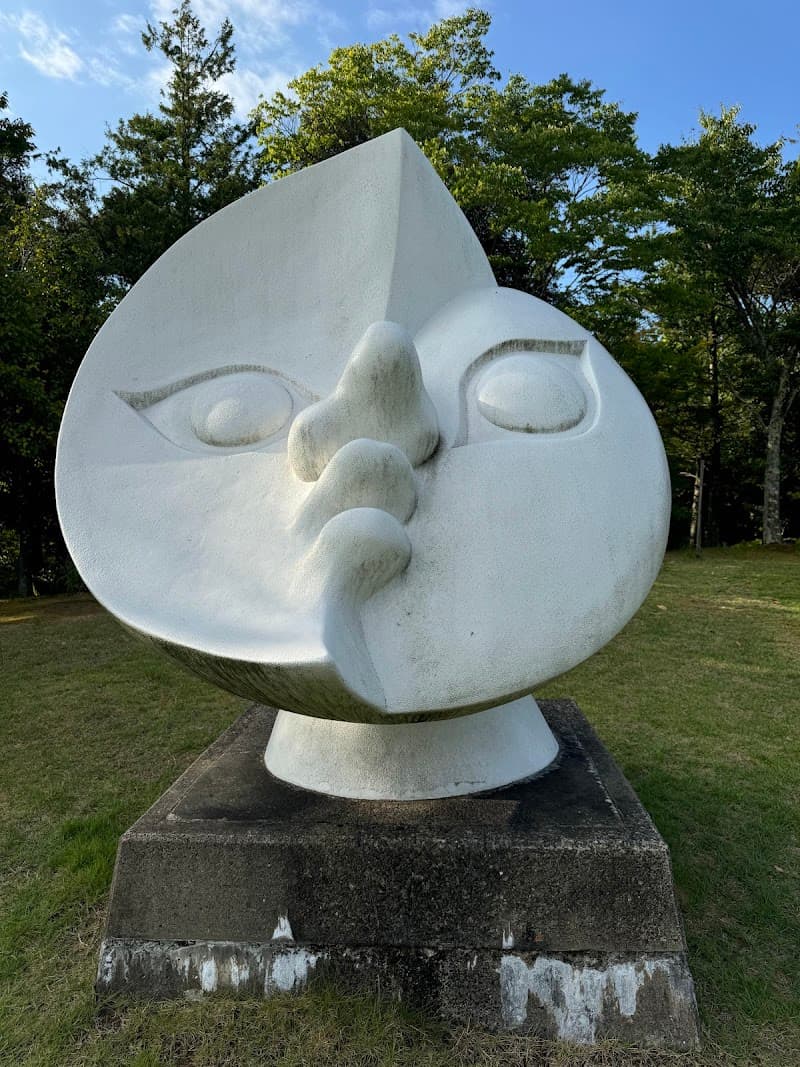
Echizen Pottery Village
Echizen · Chubu
One of Japan's Six Ancient Kilns, offering hands-on pottery workshops in an 850-year tradition.
View details→
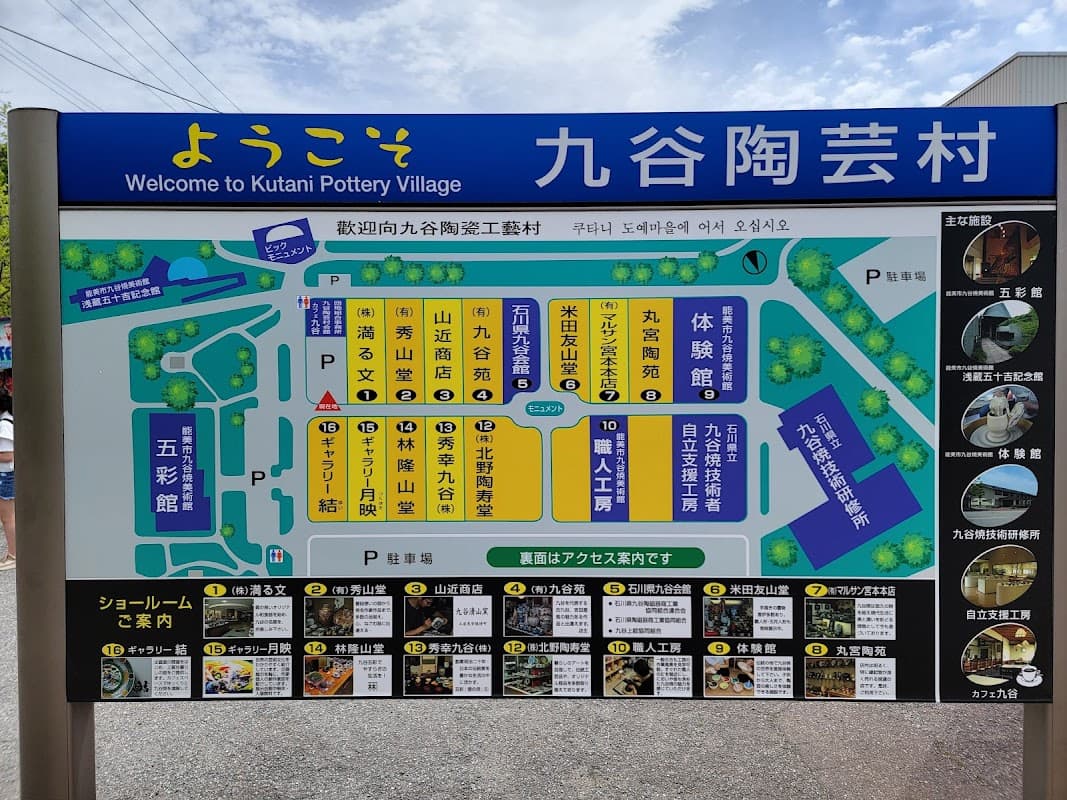
Kutani Pottery Village
Nomi · Chubu
Original Kutani porcelain village with working kilns and five-color painting workshops since the 1650s.
View details→
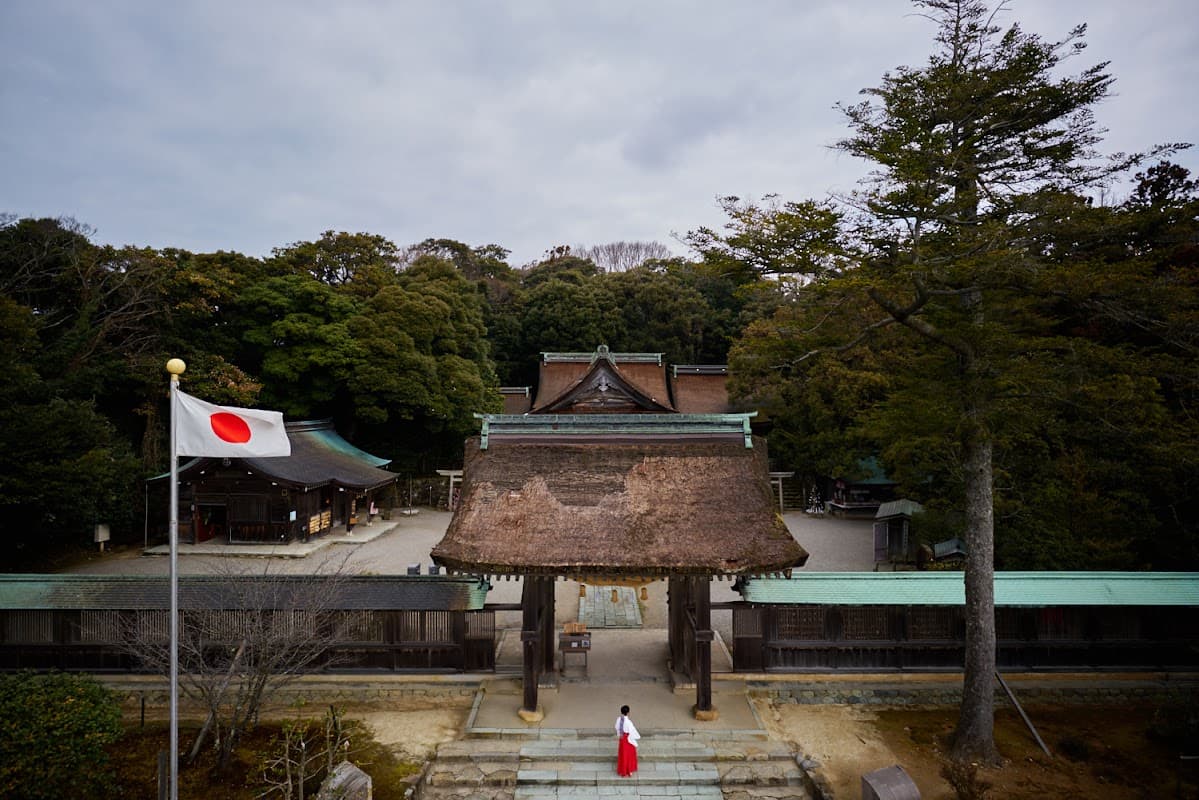
Keta Taisha Shrine
Kanazawa · Chubu
Keta Taisha is the most prominent Shinto shrine of the Noto Peninsula.
View details→

Megane Museum
Sabae · Chubu
Eyeglass capital producing 96% of Japan's frames, with custom frame-building workshops for visitors.
View details→
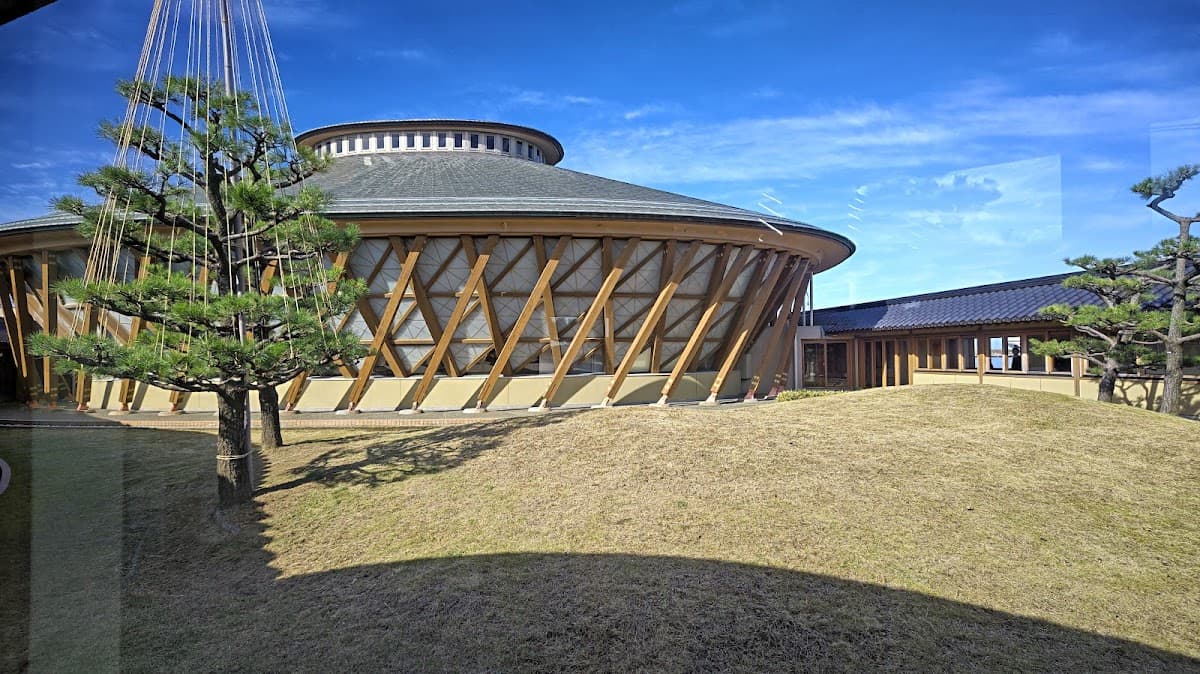
Ohno Karakuri Museum
Kanazawa · Chubu
A playful museum dedicated to Edo-period mechanical puppets and automata, honoring Kanazawa's karakuri master Ohno Benkichi.
View details→
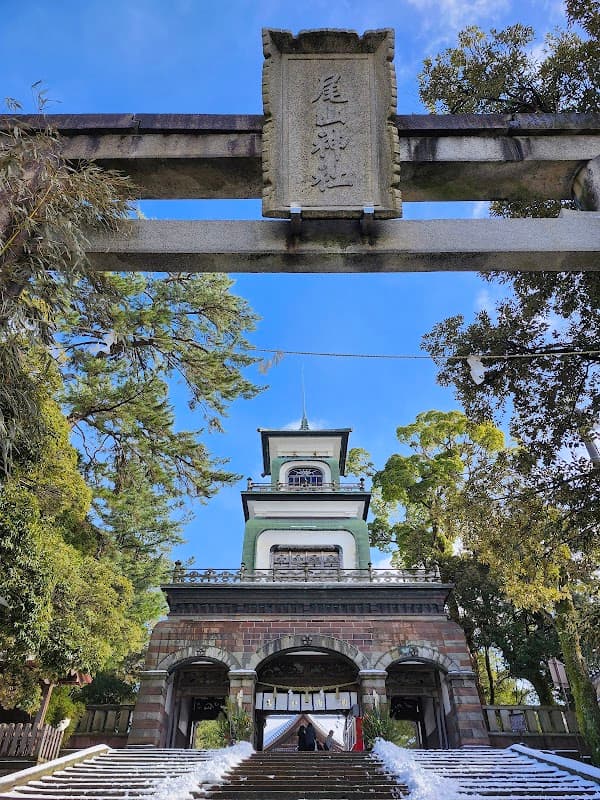
Oyama-jinja Shrine
Kanazawa · Chubu
Oyama-jinja is a Shinto shrine dedicated to Maeda Toshiie (1537–1599), the founder of the Kaga domain (present-day Ishikawa and around), and his wife, Maeda Matsu (1547–1617).
View details→
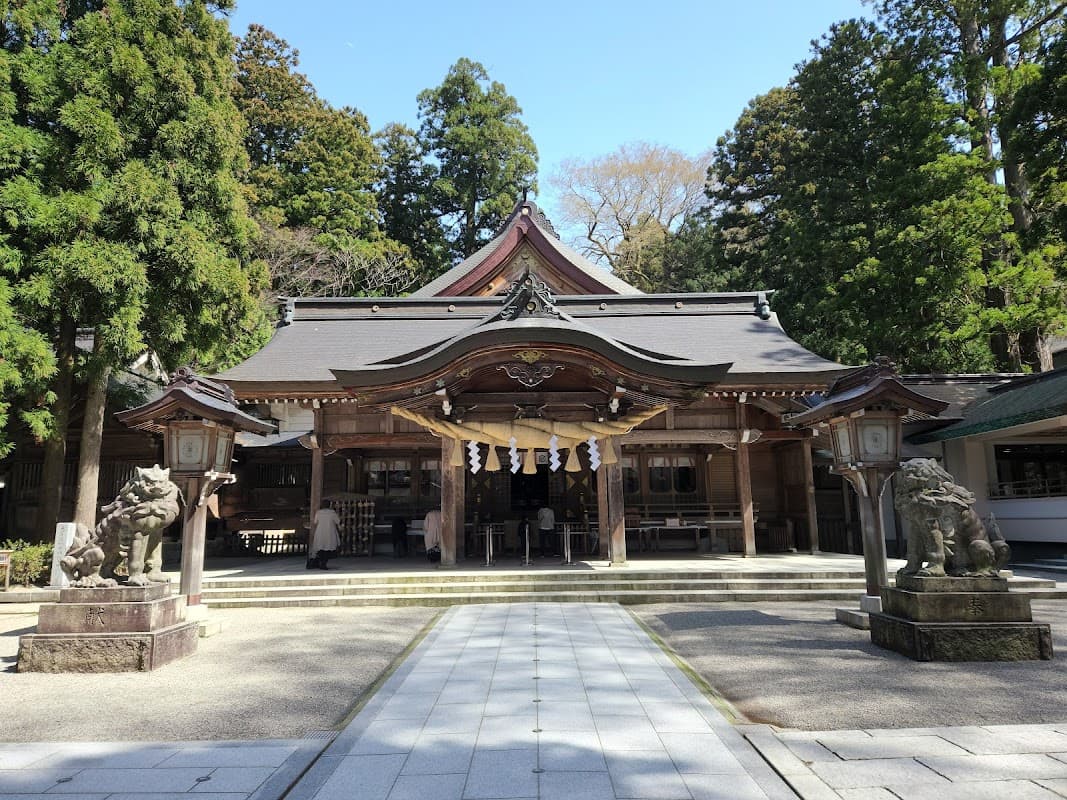
Shirayama-Hime Shrine
Kanazawa · Chubu
Shirayama-Hime Shrine.
View details→
Featured in this guide
Places to Visit
Turn this guide into a trip
We'll prioritize these 12 places when building your itinerary.