
Matsue and the San'in Coast
Deep Dive · Matsue · 7 min
Matsue's samurai quarter, Izumo Taisha Grand Shrine, Lafcadio Hearn's Japan, and the onsen that has healed travelers for 1,300 years.
Koku Travel · April 8, 2026
6 places in this guide
The San'in coast runs along the Sea of Japan in western Honshu, facing Korea rather than the Pacific. Fewer tourists come here. The reward is a castle town that still feels lived-in, a grand shrine older than recorded history, and hot springs that have been drawing bathers since the 8th century.
Matsue Castle
One of only twelve original castles remaining in Japan, Matsue Castle was built in 1611 and never destroyed by war, fire, or the Meiji government's demolition orders. The dark wooden exterior earned it the name "Black Castle." Climb to the top floor for views over Lake Shinji, where the sunset is famous enough that the lakeside promenade fills with photographers every evening.
The samurai district below the castle preserves Edo-era residences with white walls and tile roofs. This is where Lafcadio Hearn, the Greek-Irish writer who became a Japanese citizen in 1896, lived and wrote his accounts of Japanese ghost stories and folk beliefs. His former residence is open to visitors. The low-ceilinged rooms and small garden feel exactly as intimate as his prose.
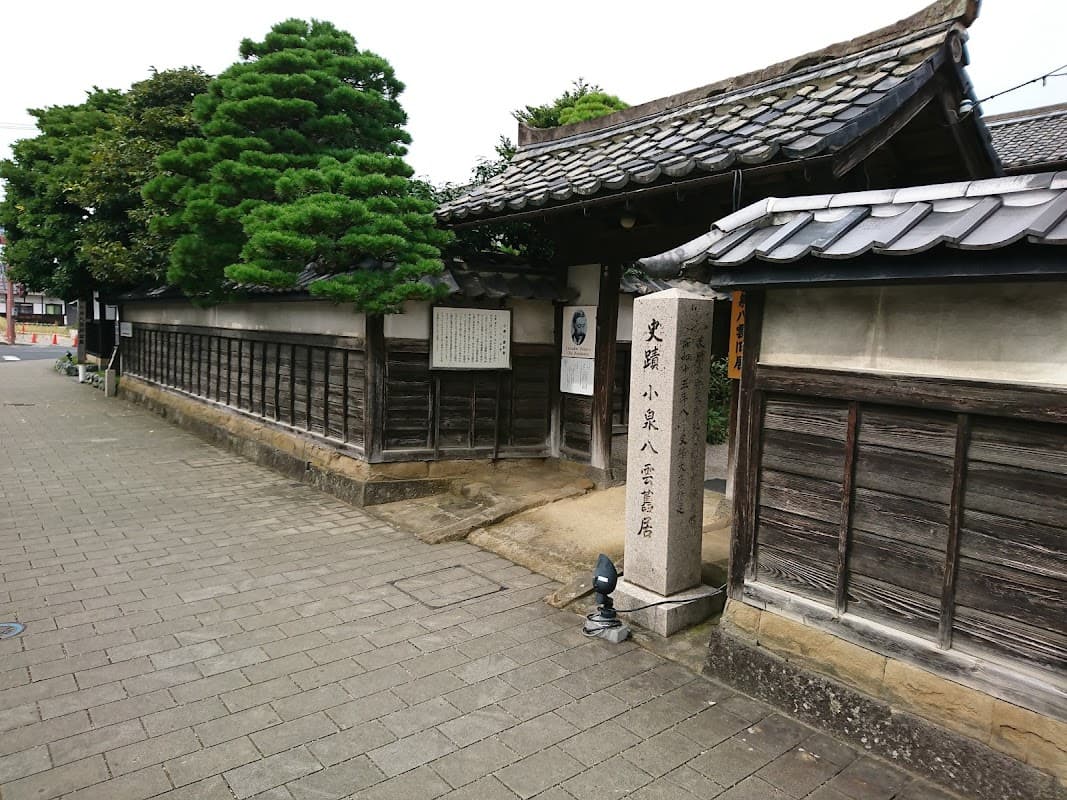
Lafcadio Hearn Residence
Matsue · Chugoku
The preserved home of Lafcadio Hearn, the writer who introduced Japanese ghost stories to the Western world.
View details→
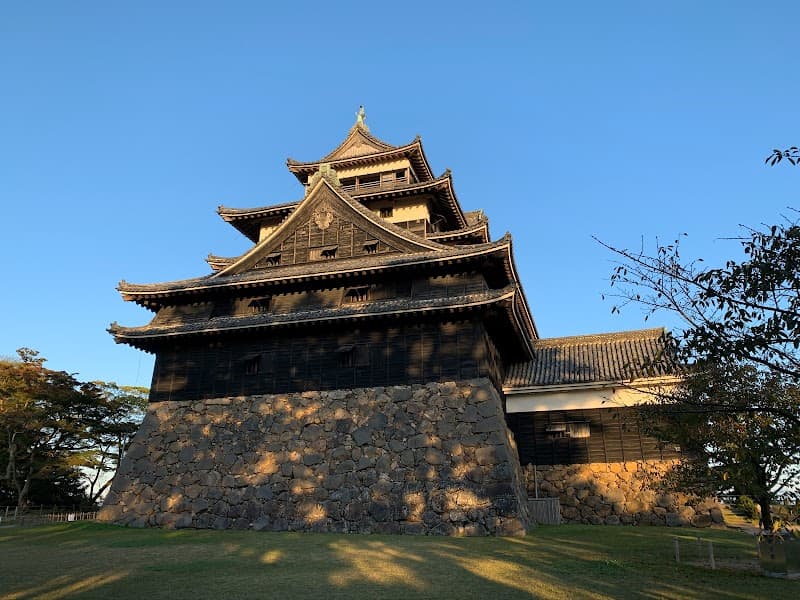
Matsue Castle
Matsue · Chugoku
One of Japan's 12 original castles with surviving keep, designated National Treasure, known as the 'Black Castle.'
View details→
Horikawa Boat Tour
A flat-bottomed boat circles the castle moat, passing under 16 bridges. At the lowest bridges, the boat's canopy folds down and passengers duck. In winter, kotatsu (heated blankets) cover your legs. The 50-minute circuit is the most pleasant way to understand the castle's relationship to the water.
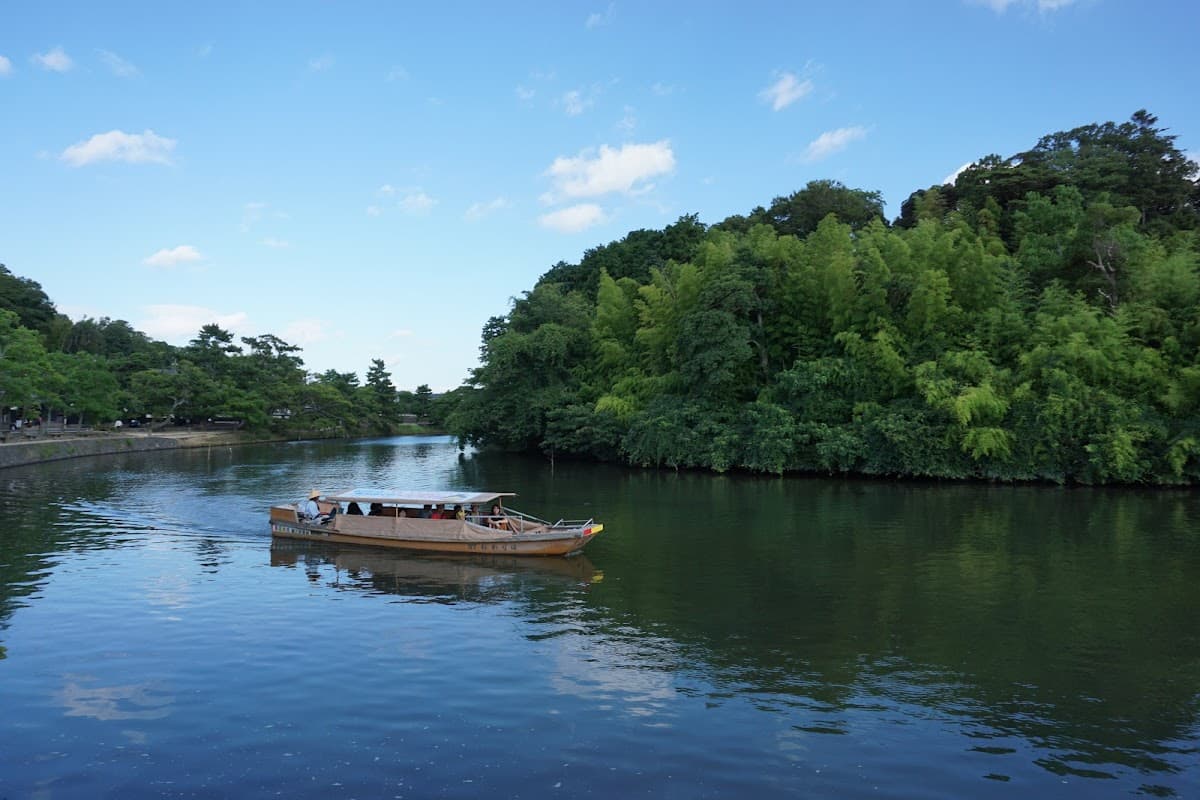
Horikawa Sightseeing Boat
Matsue · Chugoku
A tiny flat-bottomed boat ride through Matsue's castle moat where you duck under bridges, literally.
View details→
Izumo Taisha
Japan's oldest and most important Shinto shrine sits 30 minutes west of Matsue by train. The main hall, at 24 meters, is the tallest shrine structure in the country. The shimenawa (sacred rope) at the worship hall weighs 5.2 tons.
According to mythology, all eight million kami (gods) gather at Izumo Taisha every October, making it the busiest month at this shrine and the "godless month" everywhere else. The shrine is dedicated to Okuninushi, the deity of relationships, which is why couples come here to pray.
Eat Izumo soba before or after your visit. The local style serves buckwheat noodles in round lacquered boxes (warigo), stacked three high, with tsuyu poured directly over the noodles. The buckwheat is darker and nuttier than most.
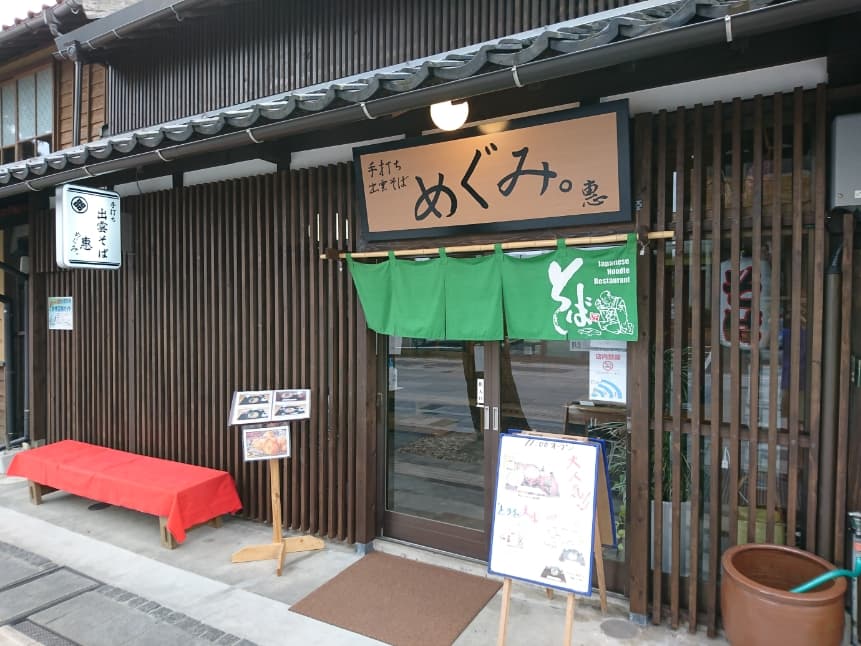
Izumo Soba Warigo
Izumo · Chugoku
One of Japan's three great soba traditions, served in stacked lacquer boxes with unique toppings at a 200-year-old shop.
View details→
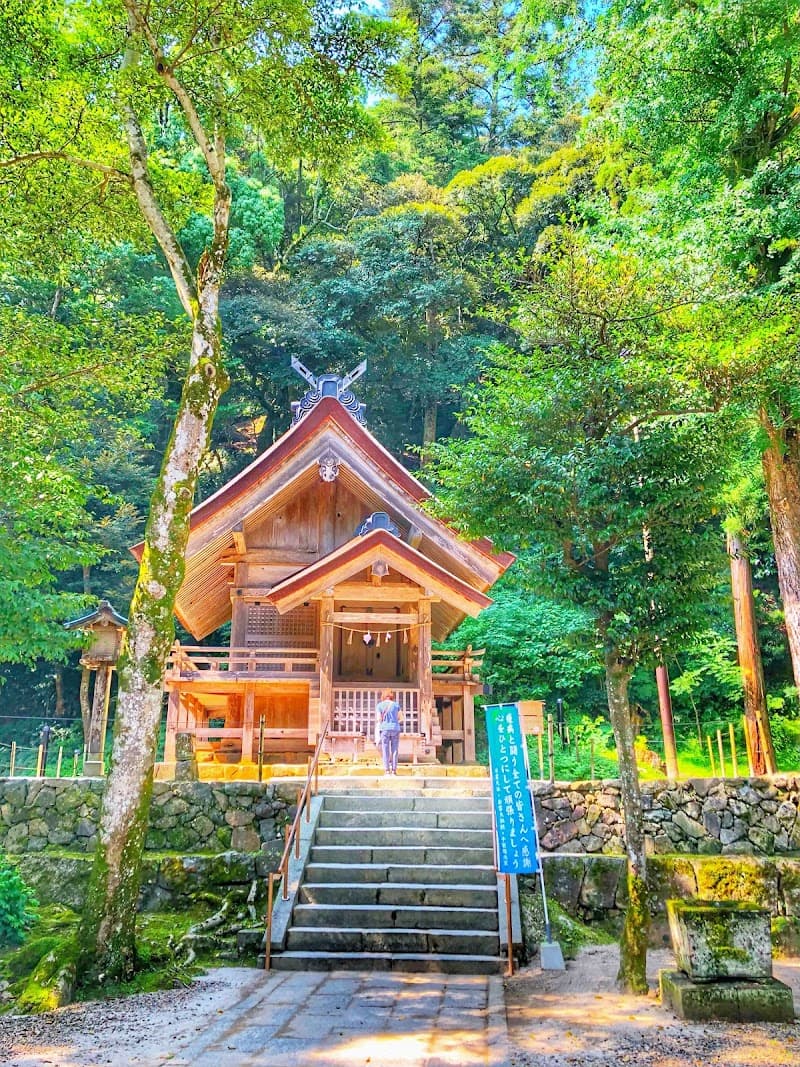
Izumo Taisha area
Matsue · Chugoku
View details→
Tamatsukuri Onsen
One of Japan's oldest recorded hot springs, mentioned in texts from 733 CE. The spring water is said to improve the skin, and the town has leaned into this reputation with small vials of spring water sold at every inn. The reality is simpler: the water is mineral-rich, warm, and good for soaking after a day of walking.
The onsen town runs along a small river, and several free foot baths line the banks. The ryokan here are traditional and quiet. Stay overnight if you can.

Tamatsukuri Onsen
Matsue · Chugoku
Ancient 'Bath of the Gods' with beautifying waters and a touchable agate magatama stone.
View details→
Getting There
Matsue is 3 hours from Osaka by limited express, or a 1-hour flight from Tokyo to Yonago Airport (30 minutes to Matsue by bus). The San'in coast is slower to reach than the Pacific side, which is exactly why it has stayed this way.
Turn this guide into a trip
We'll prioritize these 6 places when building your itinerary.